//
••
•
•

Most travelers waste critical time after losing a passport. These immediate steps determine your recovery timeline and whether you make your flight.
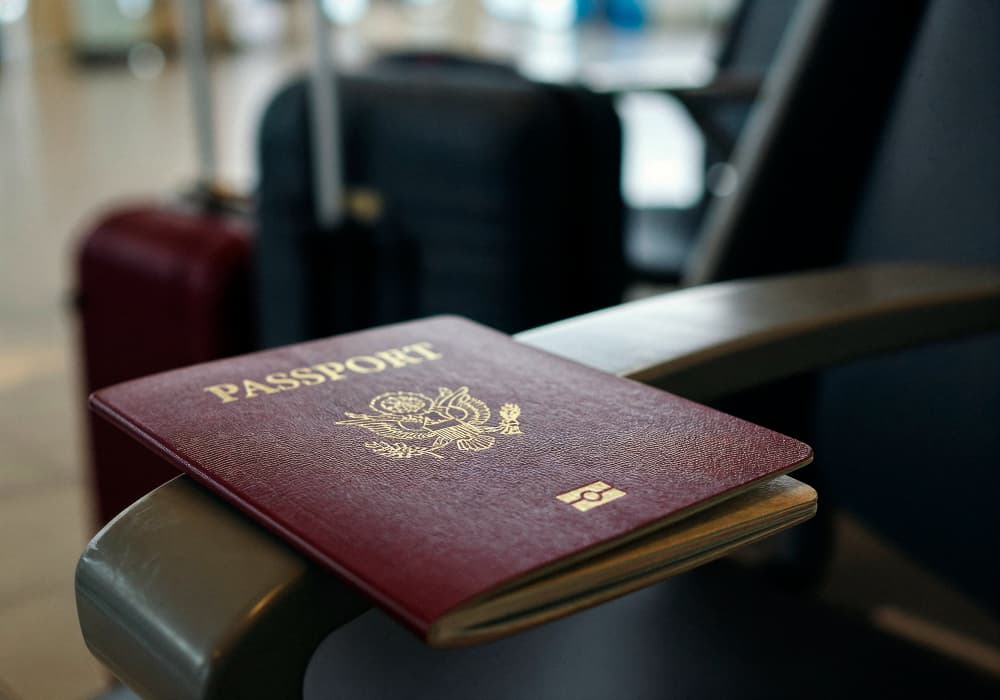
You check the outside pocket again. Nothing. You check the same inside pocket you've checked six times. Still nothing. You pull everything out of your daypack and lay it on the hostel bed, hands shaking slightly as you go through each compartment one more time.
Maybe it fell out at the café? Maybe you left it at the hotel front desk when you checked out this morning? You grab your phone and start typing "what to do lost passport" into Google, and the results are a mess of forum threads from 2009, contradictory advice about police reports, and someone's 47-paragraph story about getting stuck in Bangkok for three weeks.
The first actions you take in the next 30 minutes will determine whether you're on your flight home in two days or stuck waiting for weeks.
Most travelers lose hours to panic and conflicting advice when time is the only resource that matters. The sequence is straightforward once you know it, but the internet makes it seem complicated because everyone's mixing up three different scenarios: lost at home, lost abroad with time, and lost abroad with an imminent flight.
Your instinct right now is to keep searching, retracing steps, calling that café. Don't. Not yet.
Sit down. Open your phone's notes app or grab paper. You need a list of what you still have because this determines everything that comes next. According to the U.S. State Department, having even one piece of supporting documentation can cut days off your replacement timeline.
Write down:
If you have your driver's license and a photo or photocopy of your passport, you're in decent shape. If you have neither, this gets harder but not impossible.
Now check your email and cloud storage for these specifics:
The State Department doesn't require these for replacement, but having your passport number speeds up everything. If you reported it online, they can pull your details. If you're doing this in person at an embassy, having the number saves 20 minutes of form-filling.
Here's what nobody tells you clearly: you probably don't need a police report to get an emergency passport, but you might need one for other reasons.
The U.S. State Department explicitly states that police reports "are not mandatory but can help confirm the circumstances of the loss or theft." Your embassy will issue you a passport without one.
But here's the thing: your travel insurance might require it. Your credit card company might need it if cards were stolen too. And some countries' immigration authorities get difficult at the airport when you're leaving on an emergency passport without a police report explaining why.
So get one if:
Skip it if:
Most embassies have local police contact information on their websites. In major tourist cities, there are often stations that handle tourist reports quickly. In Mexico City, the tourist police near Zócalo will do it in 20 minutes. In rural areas, it might take all day.
Make this decision in the next five minutes and move on. You can't get both done perfectly.
Right now, while you're thinking about what to do next, someone could theoretically use your passport information. This is rare, but not worth the risk.
Go to the U.S. State Department's online form and report it lost or stolen immediately. This takes about seven minutes. The State Department cancels your passport within one business day and sends you a confirmation email. After you report it, that passport is dead—even if you find it later, you can't use it.
Now find the nearest U.S. embassy or consulate. Don't assume it's in the capital. If you're in Barcelona, the consulate is right there. If you're in Madrid, great. If you're in Valencia, you're going to Barcelona or Madrid—check which is closer.
Visit usembassy.gov and find your location. Look for:
Call them. Not email—call. Email might get answered tomorrow. The phone gets answered today. If it's after hours, call the emergency duty officer number. Here's the part that surprises people: most U.S. embassies cannot issue passports on weekends or holidays, but they have after-hours duty officers for emergencies.
Tell them:
They'll tell you exactly what to bring. Listen carefully and write it down because if you show up without something, you're coming back tomorrow.
You need a passport photo. Not tomorrow, now. This is the thing that inexplicably takes people six hours to figure out.
Every major city has:
Ask your hotel/hostel front desk "where's the closest place to get a passport photo?" They know. They've answered this question 900 times. Get two photos—one for the application, one backup in case they need it for something else.
While you're out getting the photo, withdraw cash. Embassy fees must be paid in U.S. dollars or local currency depending on the location, and many don't take cards. A new passport costs $130, an emergency limited-validity passport might be more. Bring $200 cash to be safe.
Gather everything:
If you have zero proof of citizenship, the embassy can do a file search, but it's free only in emergency circumstances. Tell them you need it.
Here's what actually happens at the embassy, based on which situation you're in:
Scenario 1: You're flying out in 24-48 hours The embassy will try to get you an emergency limited-validity passport same-day or next business day. This passport is typically valid for one year. You can use it to get home, then apply for a full 10-year passport once you're back. Some embassies can do this in a few hours if you have all documents and show urgent travel need.
Scenario 2: You're flying out in 3-7 days They might offer you a full-validity passport (the normal 10-year one). This takes 2-3 business days at most embassies. If it's cutting it close, ask for the limited-validity emergency passport instead—it's faster and gets you home just the same.
Scenario 3: You have a week or more Get the full-validity passport. No point in getting an emergency one if you don't need it, because you'll have to apply again when you get home to get the 10-year version.
The embassy will collect your documents, take your photo if you don't have one, process payment, and give you a receipt with a pickup date/time. In major embassies during busy season, you might wait 2-3 hours for your appointment. Bring water and something to read. You can't bring much inside (no large bags, no laptops usually), so plan accordingly.
If you get a limited-validity emergency passport, here's what to expect at the airport when you leave:
Immigration officials see these constantly. You won't be the first person that day with an emergency passport. They might ask what happened. Tell them simply: "I lost my passport, got an emergency replacement at the U.S. embassy." They'll check it's valid, stamp it, and wave you through.
The confusion happens when people have emergency travel documents (which are different—these are temporary one-time-use papers for a single trip, extremely rare now). An emergency passport is a real passport. It's just valid for less time.
Some countries require visas in your passport. If you had a valid visa in your old passport and got an emergency replacement, contact that country's embassy too. Sometimes they'll transfer it. Sometimes you need to reapply. This is country-specific and there's no universal rule.
You can't undo losing your passport, but you can make the next one less catastrophic. Before your next trip, take two minutes to:
This doesn't prevent loss, but it turns a 30-minute administrative nightmare at the embassy into a 5-minute form fill. They can verify your information faster, which means you wait less.
Also: put your passport in a different pocket than your wallet. Not the same bag compartment, not clipped together. Different locations. If someone pickpockets your wallet, your passport survives. If you lose your daypack, your wallet's in your front pocket. This basic separation has saved more trips than any fancy RFID-blocking travel wallet.
Getting an emergency passport abroad isn't cheap, but it's also not financially catastrophic:
Travel insurance covers some of this if you have it. Check your policy. Most "cancel for any reason" policies won't cover losing your passport because that's under your control, but many standard travel insurance policies cover the cost of emergency passport replacement and related expenses if theft was involved.
Credit card travel insurance sometimes covers it too. Call them.
Most people lose between six and ten hours after losing their passport because they:
The people who make their flights are the ones who skip denial, accept the situation in five minutes, and execute a checklist. There's no trick to this. It's just moving through the steps quickly instead of researching whether there might be a better way.
Your passport is gone. You need a new one. The embassy is the only place that can issue it. Everything else is just details about how fast you get there with the right documents.
Make the decisions in the first 30 minutes: police report or not, which embassy, what time can you get there tomorrow morning. Then spend the rest of today getting the photo and documents ready. Most embassies open for American Citizen Services between 8-9 AM. Be there at opening. Bring everything. You'll have your emergency passport by lunch and be remarkably far ahead of the panicked person Googling "lost passport" at 11 PM the night before their flight.
Found this article helpful? Share it with fellow travelers!
Hospital quality varies wildly across regions. Insurance activation sequence matters. Knowing the steps before you need them saves decision-making when someone's in pain.
Airline rebooking leverage points are non-obvious. Here's the exact order of actions that gets you home while others wait in line for hours.
Most travelers watch their digital life unravel after phone theft. The actions you take in the first 60 minutes determine whether this becomes an inconvenience or a cascading security crisis.